Hate going to the Dentist? You are not alone!
One-Hour Guide To Keeping Your
Natural Teeth For Life
and minimizing the pain, anxiety, time and expenses associated with reactionary dental care
and minimizing the pain, anxiety, time and
expenses associated with urgent and emergency dental care
I'm Dr. Usamah Khan, a practicing general dentist. I'm building the Tooth-Saver Blueprint
to help people avoid the dental problems I see every day in the chair — problems that were almost always preventable.
Right now, the One Hour Course doesn't exist yet. Before I spend months building it (target: end of October 2026),
I want to know it's actually going to help people who need it. That's what this page is: a way to gauge real interest before I build.
Here's the deal: if you join below for $47 (lifetime access and no subscriptions ever— future price will likely be $199),
you'll get instant access to my current 14-Day Course today, so you're not waiting on anything.
Then, when the One Hour Course is ready, you'll get it free as a Founding Member — first in line, before anyone else.
If we don't move forward with building the One Hour Course, you're welcome to request a full refund at anytime
HSA/FSA accounts may be eligible depending on card issuer. Refunds allowed.
Join the others who learned from the Tooth-Saver Blueprint
"The guide from Dr. Khan breaks everything down- easy to follow and understand. Highly worth it. Everyone should read this as this knowledge is critical to maintaining your teeth for life"
"I finally learned why my teeth were so sensitive and now feel so much better about my oral health. I feel very grateful for bumping into this as I had many issues with my teeth in a short time."
" I went to my regular dentist 6-month checkup and had zero new cavities for the first time in years. I feel much more confident with my teeth and gums. I only wish this knowledge were more common"
Are you tired of
Never-Ending Tooth problems?
The dental industry was worth $189 billion in 2024 per the ADA. The average American will spend over $30,000 in their lifetime at the dentist - not because of bad luck, but because no one taught them prevention — and because most dental conditions are completely painless until they've already done serious damage.You don't have to be part of that statistic.
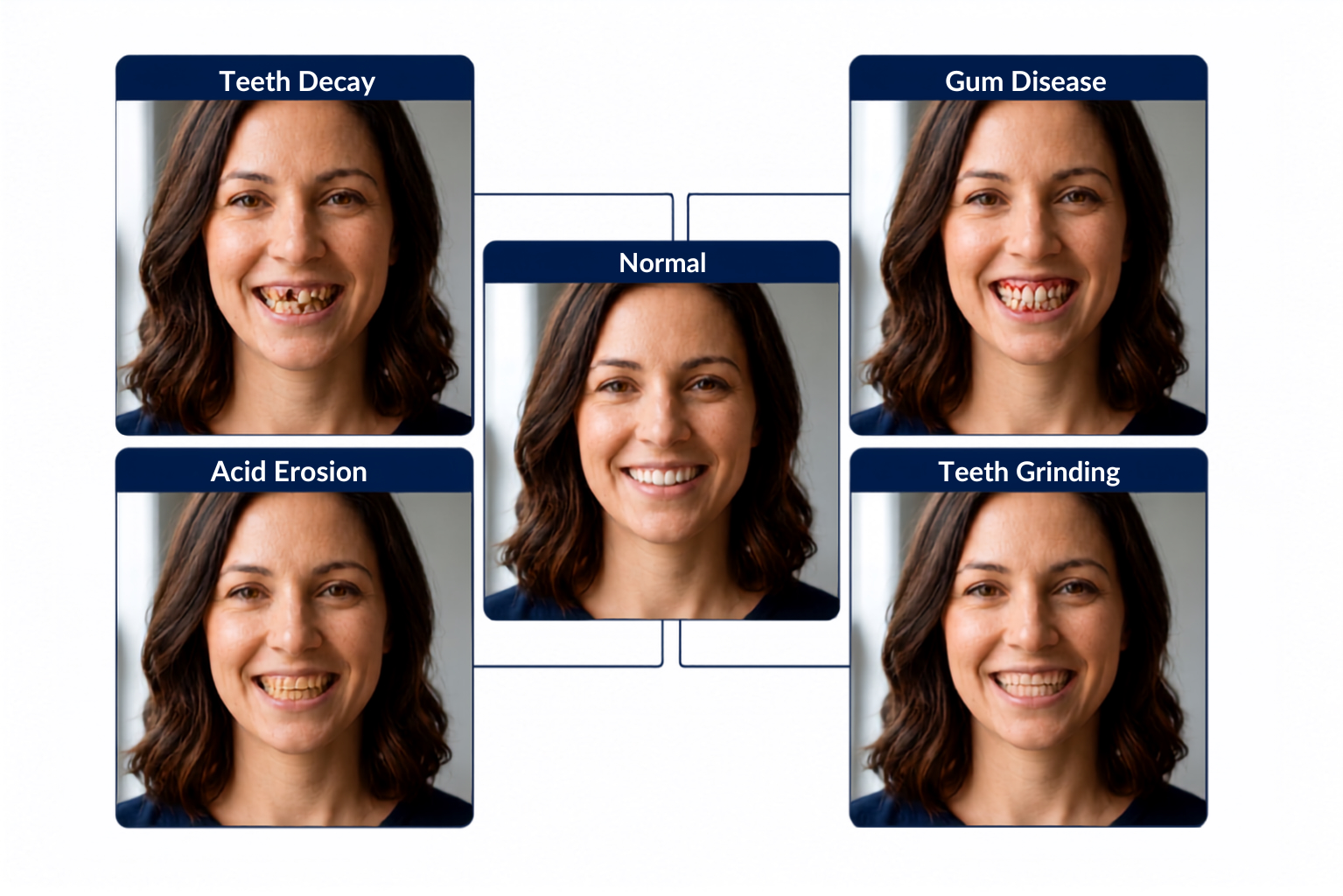
Tooth Decay and Gum Disease — the two most common diseases in the world per the WHO affecting nearly 50% of the global population — aren't genetic in 90-95% of cases. They're a chemical reaction you control every time you eat. And if you have figured out how to protect your teeth from tooth decay and gum disease, there is acid erosion and grinding you have to deal with - no wonder why dental needs are too common. You need this more than you think because most dental conditions are painless most of the time.
Introducting The
TOOTH-SAVER BLUEPRINT
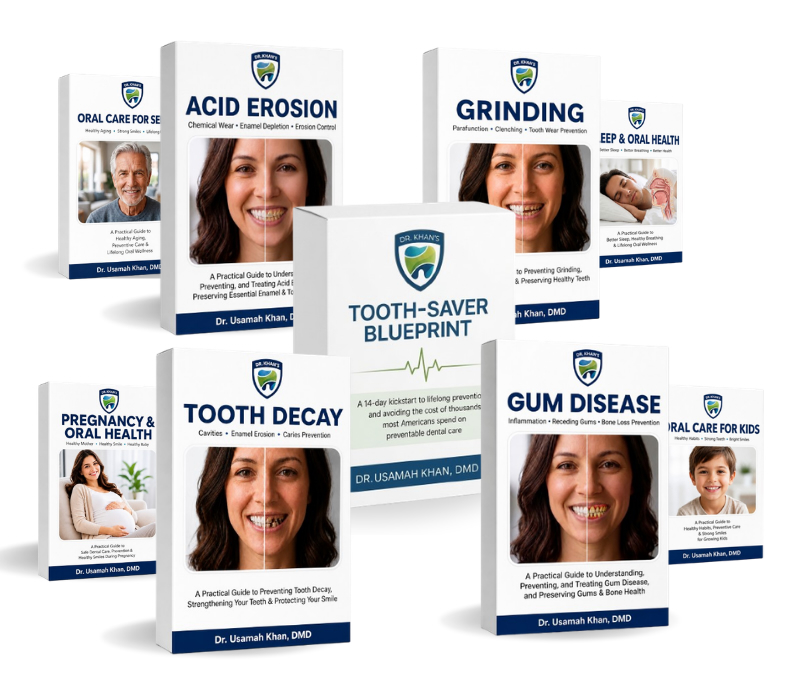
The Tooth-Saver Blueprint is a (future) online guide by
Dr. Usamah Khan DMD (6 year licensed dentist in IL/WI) that shows you how to keep your natural teeth for life and protect them from tooth decay, gum disease and other conditions — without the pain, anxiety, or massive bills that come with reactive dental care. It's for anyone who'd rather spend a little time understanding prevention now and save thousands later, because if prevention were truly simple or common knowledge, a massive $189 billion industry wouldn't exist.
The Future - One Hour Course when it launches (est. end of October 2026) which will be an all encompassing guide on dealing with tooth decay, gum disease, grinding, acid erosion, sleep and dental health, wisdom teeth and oral care during pregnancy, young aged children and seniors. And more!
This guide does NOT replace your dentist — your provider knows your oral health best and has access to your x-rays and medical/dental history. Think of this as the education your dentist never had time to give you.
Meet Dr. Usamah Khan
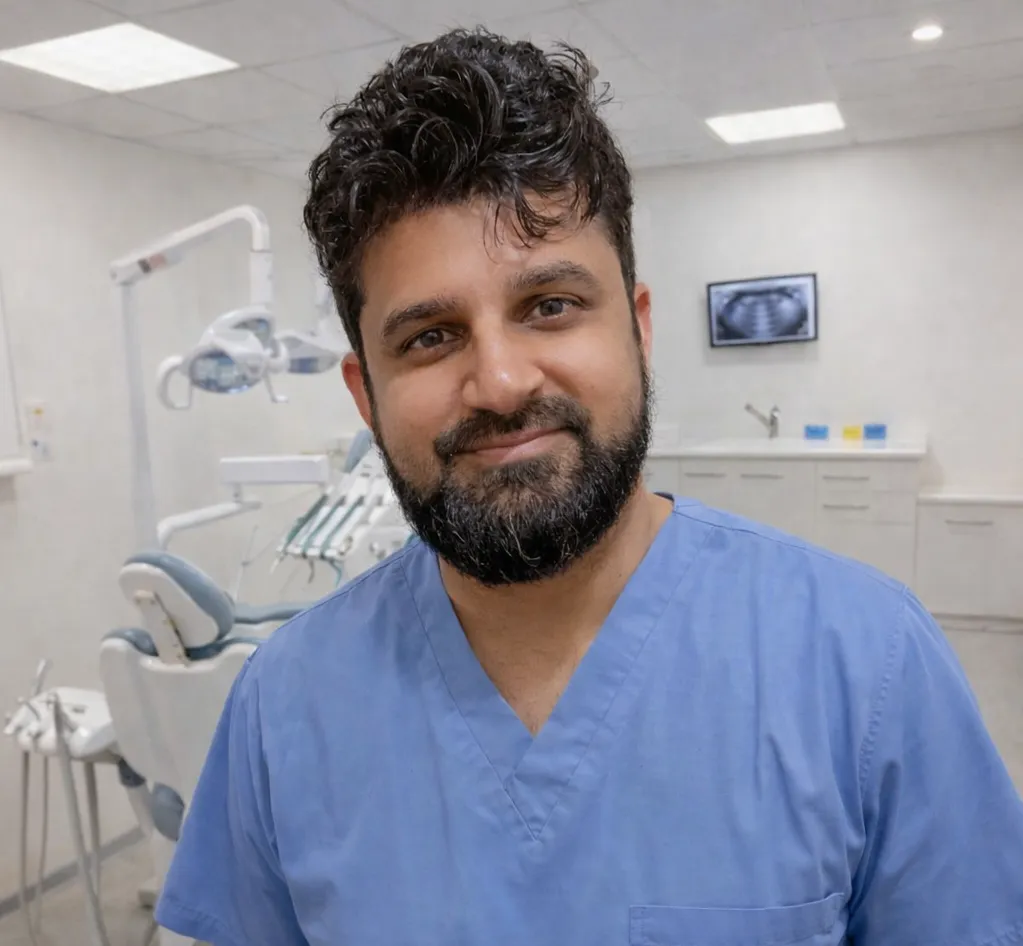
Before I became a dentist, I was one of my own worst patients.
A year before dental school, I went in for a routine checkup. I felt fine. No pain, no sensitivity, nothing that seemed off. I was brushing. I thought I was doing everything right.
The dentist sat me down and told me I had cavities — multiple ones. And early gum disease.
I remember the confusion more than anything else. How? I had no symptoms. No warning. Nothing that told me something was quietly breaking down inside my own mouth. I was about to spend the next four years of my life learning how to treat these exact conditions in other people — and I hadn't even known they were happening to me.
That experience never left me.
Because here's what I learned in dental school, and what I've seen confirmed across thousands of patients: dental disease almost never hurts until it's already serious. By the time you feel something, you're usually looking at a filling, a root canal, or an unfixable tooth. The window where prevention actually works — where a simple daily habit could have changed everything — closed quietly, without you ever knowing it was open.
I built the Tooth-Saver Blueprint because nobody gave me that knowledge before it was almost too late. Not my dentist. Not anyone. Just the standard "brush and floss" advice that, as I now know, leaves 40% of the real work undone.
I'm Dr. Usamah Khan, a DMD graduate of Midwestern University. I've spent 15 years in dentistry — 5 years as a dental assistant, through four years of dental school, and now six years in clinical practice completing thousands of fillings, extractions, root canals, crowns, and implants. And the single clearest thing all of that experience has taught me is this:
No procedure, no matter how advanced, fully replaces a natural tooth.
The best dental work I've ever done is the work that was never needed — because someone learned what to do before the damage was done.
That's what this program is. The conversation I wish someone had with me before I sat in that chair.
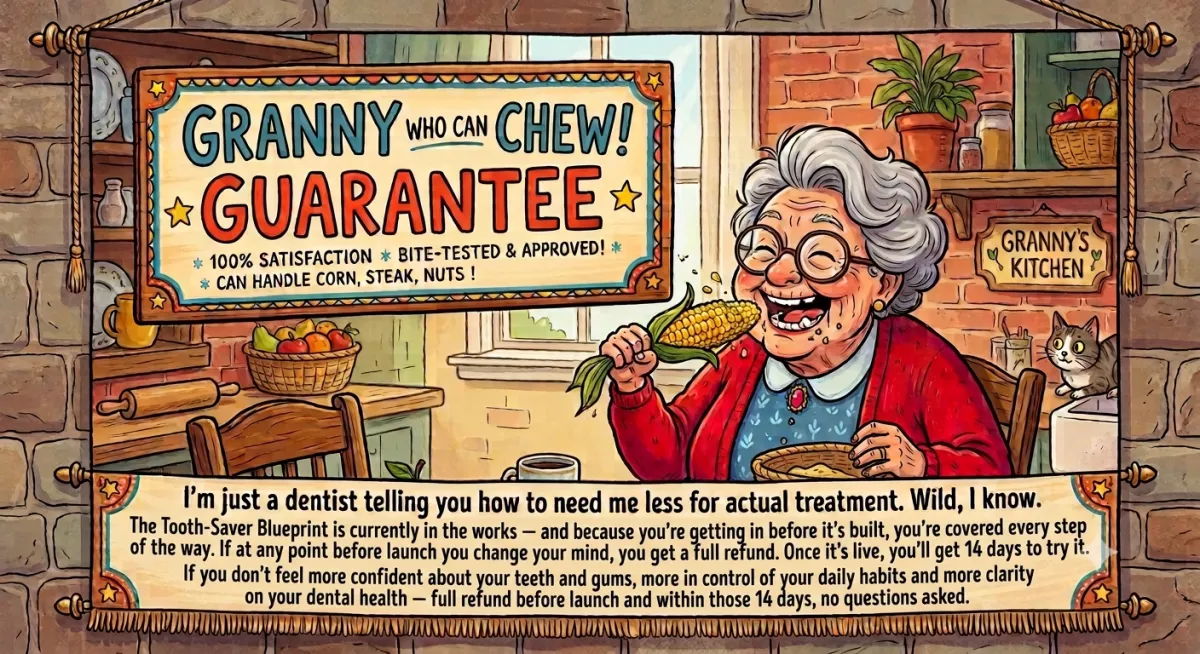
The Granny Guarantee
I'm just a dentist telling you how to need me less for actual treatment. Wild, I know.
The Tooth-Saver Blueprint is currently in the works — and because you're getting in before it's built, you're covered every step of the way. If at any point before launch you change your mind, you get a full refund. Once it's live, you'll get 14 days to try it.
If you don't feel more confident about your teeth and gums, more in control of your daily habits and more clarity on your dental health — full refund before launch and within those 14 days, no questions asked.
Frequently Asked Questions
Everything you need to know about the
product and billing.
Is this a replacement for seeing a dentist?
No — and it's not designed to be. This program complements your regular dental visits, it doesn't replace them. Think of it as the conversation your dentist never had time to have with you — the daily mechanics of prevention that rarely fit into a 30-minute cleaning appointment. It does not establish a doctor-patient relationship.
Who is this for?
Adults who want to understand what's actually happening in their mouth between visits — and take real control of it. It's especially useful if you've ever left a dental appointment feeling blindsided by a bill, confused about what caused a problem, or frustrated that "brush and floss" is the only guidance you've ever received.
Is this a quick fix or a short-term hack?
No. This is a structured prevention program built around daily habits that compound over years. If you're looking for a single product recommendation or a one-week shortcut, this isn't it. If you're willing to do simple things consistently — and want to understand why they work — this program was built for you.
Do I need any dental background to understand this?
None at all. Everything is written in plain language with clear visuals and practical examples. No clinical jargon, no prior knowledge required.
How much time does this take each day?
Most of the habits covered take just a few extra minutes per day. The entire point is simplicity — a routine that works even on your busiest days.
Will this help if I already have dental work or existing issues?
Yes. Prevention principles apply at any stage. The program is designed to help you protect what you have, slow further wear, and make smarter decisions going forward. For anything specific to your situation, always follow up with your licensed dentist.
How is this different from advice I can find online for free?
Free dental advice online is fragmented, inconsistent, and often contradictory. The Tooth-Saver Blueprint pulls everything into one dentist-designed framework that shows how the pieces connect — brushing technique, flossing, enamel protection, diet, bite forces, gum health, and life-stage-specific care. The structure is what makes it actually usable.
What do I get when I purchase?
✅ Instant access to the full 14-Day Course on how to begin saving your teeth and gums from damage — start today
✅ Free upgrade to the One Hour Course when it launches (est. end of October 2026) - this will be an all encompassing guide on dealing with tooth decay, gum disease, grinding, acid erosion, sleep and dental health, wisdom teeth and oral care during pregnancy, young aged children and seniors. And more!
✅ Founding Member pricing locked in for life
Is there a refund policy?
The Tooth-Saver Blueprint is currently in the works — and because you're getting in before it's built, you're covered every step of the way. If at any point before launch you change your mind, you get a full refund. Once it's live, you'll get 14 days to try it.
Why join the waitlist now?
Because it pays to be early. Everyone who joins the waitlist before launch locks in an exclusive discount that won't be available once the Blueprint opens to the public — plus you'll be the first to know the moment it's live, before anyone else gets access.